
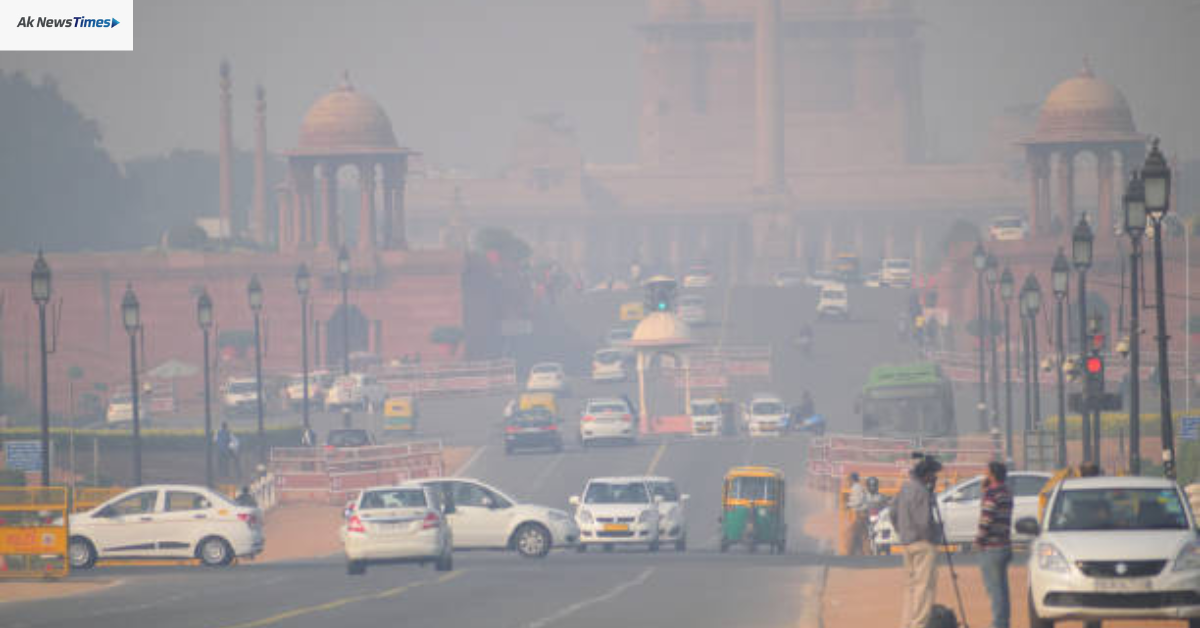
The national capital, Delhi, continues to struggle under a thick layer of toxic smog. For the second consecutive day, the city’s Air Quality Index (AQI) has remained in the “severe” category. Experts blame stubble burning, vehicle emissions, and calm weather conditions for the alarming rise in pollution levels.
According to the System of Air Quality and Weather Forecasting and Research (SAFAR), stubble smoke from Punjab and Haryana now contributes around 22% of Delhi’s total pollution — the highest level this season.
Why Delhi’s Air Quality Is Worsening
Every year after the harvest season, farmers in neighboring states burn leftover crop residue (stubble) to prepare fields for the next crop. This smoke travels to Delhi through northwesterly winds, adding to the already poor air quality caused by vehicles, industries, and construction dust.
This year, the situation has worsened due to low wind speeds and cooler temperatures that trap pollutants close to the ground. As a result, the Delhi AQI has crossed the 450 mark, indicating extremely hazardous air.
What Authorities Are Doing
The Delhi government has reintroduced the Graded Response Action Plan (GRAP) to control pollution. Under this plan, construction work at major sites is being halted, and restrictions on diesel vehicles have been imposed.
Schools have also been advised to switch to online classes, and several government offices are encouraging work from home to reduce vehicular movement.
Meanwhile, the Commission for Air Quality Management (CAQM) is closely monitoring stubble burning incidents in Punjab and Haryana. The states have been directed to increase enforcement and provide farmers with alternative residue management tools to reduce burning practices.
Stubble Smoke Contribution at Seasonal Peak
Data shows that the stubble smoke contribution to Delhi’s pollution reached its highest point at 22% this season. This means that nearly a quarter of the city’s toxic air is coming directly from crop residue burning.
Satellite images captured by NASA and ISRO confirm a sharp rise in fire counts across northern India. While local pollution sources like traffic and construction remain major factors, stubble smoke adds a thick layer of smog that worsens the city’s overall air quality.
Experts believe that unless crop burning is controlled at its root, temporary measures in Delhi will only provide short-term relief.
Health Advisory for Delhi Residents
Doctors recommend wearing N95 masks when going outdoors and using air purifiers at home to reduce indoor pollution exposure. People are also advised to avoid morning walks or outdoor exercises during peak pollution hours.
Staying hydrated and consuming foods rich in antioxidants, such as fruits and vegetables, can help the body fight the harmful effects of air pollution.
Conclusion
The current Delhi Pollution Update paints a worrying picture. With the AQI remaining in the severe range and stubble burning contributing significantly, the air crisis demands urgent attention.
While government measures are in place, lasting change can only come through collective effort — from policymakers, farmers, and citizens alike. Until then, residents must take precautions to safeguard their health and hope for cleaner skies in the coming weeks.
Also Read : Who Will Win Bigg Boss 19? Finale Date, Streaming Details & Finalists Inside

One thought on “Delhi Pollution Update: AQI Remains ‘Severe’ Amid Rising Stubble Burning”