
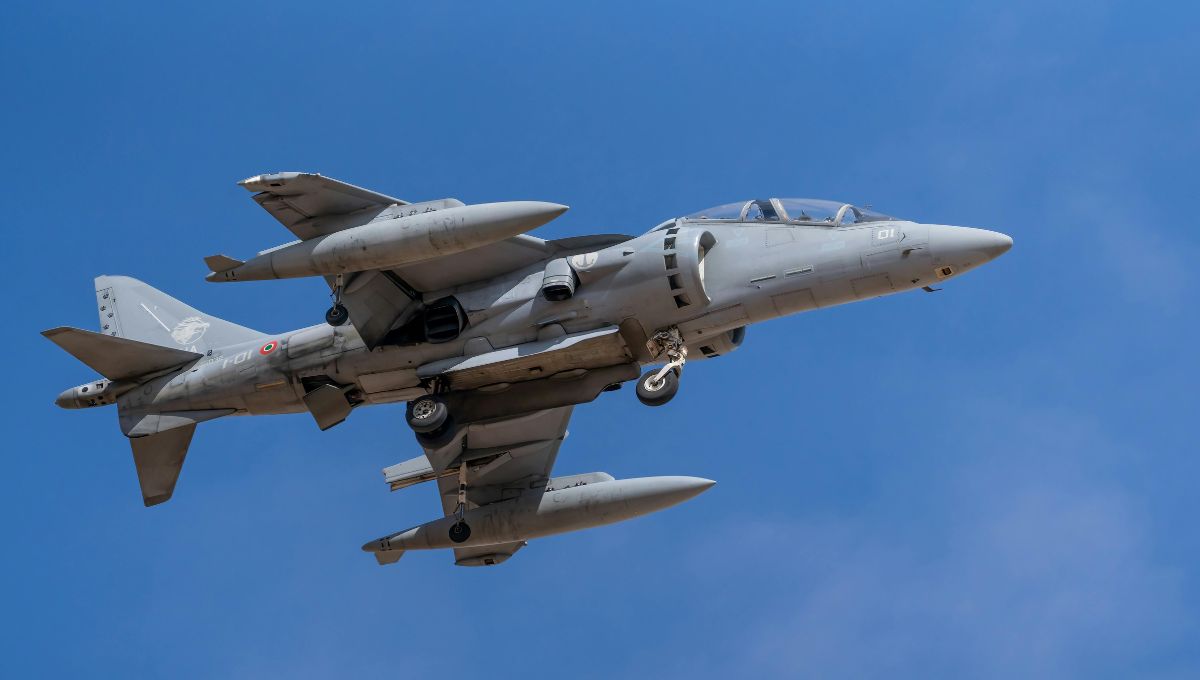
India’s pride in indigenous aviation, the HAL Tejas fighter jet, faced a tragic setback on November 21, 2025, when it crashed during an aerial display at the prestigious Dubai Air Show. The event sent shockwaves through the Indian defence community and raised questions about the future of Tejas—a program seen as a leap into modern self-reliance for the Indian Air Force (IAF).
What Happened at Dubai?
During a high-profile flying demonstration around 2:10 PM local time, an Indian Air Force Tejas jet, piloted by Wing Commander Namansh Syal, suddenly lost altitude while executing a complex negative G manoeuvre. Eyewitnesses described the aircraft as nosediving, trailing a thick black plume as it crashed near the runway, erupting in flames. The audience, made up of international delegations, families, and aviation enthusiasts, watched in shock as emergency services dashed to the crash site.
Sadly, the pilot was unable to eject and sustained fatal injuries. The IAF confirmed his death and extended deep condolences to his family, stating, “IAF deeply regrets the loss of life and stands firmly with the bereaved family in this time of grief.” UAE authorities also quickly responded with firefighting and emergency teams to control the situation.
Why Did the Crash Happen?
Initial reports and expert opinions suggest the Tejas was engaged in a negative G turn—a maneuver involving counter-gravity forces designed to demonstrate the aircraft’s agility and stability. Although the Tejas is inherently unstable (for advanced agility) and relies heavily on its fly-by-wire system to maintain control, executing such complex stunts at low altitude always carries risk. While only a formal investigation can confirm the precise cause, video footage indicates the jet rapidly lost altitude after completing a loop, unable to regain level flight before impact.
India Today and NDTV defence analysts highlighted factors investigators will closely examine, including:
-
The aircraft’s black-box data and ATC recordings
-
High-definition flight footage from the air show
-
Possible mechanical or software malfunctions
-
Pilot response and situational awareness
A court of inquiry led by the IAF is underway. This process may take weeks, but will hopefully clarify whether the issue was technical, operational, or unfortunate human error.
The Tejas Program: A Brief Overview
Developed by Hindustan Aeronautics Limited (HAL), the Tejas stands as India’s first homegrown multi-role light combat aircraft. It took its maiden flight in 2001, and after decades of testing, entered service with the IAF. Despite its innovative design—using cutting-edge composites, hi-tech Avionics, and a powerful General Electric engine—Tejas has faced challenges, from limited production runs to delays in upgrades.
The crash at Dubai marks only the second serious Tejas accident in its operational history, the first being a routine training mishap in Jaisalmer, Rajasthan, in March 2024. That incident ended safely, but Dubai’s tragedy will increase pressure on the HAL team to review procedures and ensure safety.
Impact and Reactions
Internationally, the crash created headlines not just for the loss, but for India’s efforts to showcase home-built aircraft to new buyers at global expos. Defence experts caution that such high-profile accidents can affect export prospects and public perception, at least until investigations confirm the causes and fixes are implemented.
At home, messages of condolence poured in from government leaders, including Chief of Defence Staff General Anil Chauhan, who expressed deep regret and underscored the commitment to supporting the bereaved family. The aviation fraternity rallied behind the Indian team, reflecting on Tejas’s overall solid safety record.
What’s Next?
The IAF is expected to conduct a comprehensive review, addressing both technical and operational aspects. HAL will likely bolster its communication on safety protocols and upgrades, reassuring current and prospective clients. For the Tejas program, this is a critical test—one that will impact not just India’s defence modernization but also its standing in global aviation.
Conclusion
While the Dubai Air Show crash is a tragic event for India and the IAF, it is also a call for deeper safety audits and innovation. The Tejas, despite setbacks, remains a symbol of progress and pride. How authorities respond—and how investigators clarify the causes—will define both future confidence in Indian aviation and the legacy of Wing Commander Namansh Syal, whose dedication represents the very best of India’s defence forces.

One thought on “Tejas Fighter Jet Crashes at Dubai Air Show: All You Need to Know”